
Transition to Memory Care: 6 Tips to Ease Your Parent’s Move
The transition to memory care is an adjustment for everyone involved. There are ways to help ease the transition so that your parent can begin to take advantage of the exceptional resources, support, and attention that will help them achieve the highest possible level of independence. Helen Crunk, Regional Healthcare Specialist of Heritage Communities, has...

The transition to memory care is an adjustment for everyone involved. There are ways to help ease the transition so that your parent can begin to take advantage of the exceptional resources, support, and attention that will help them achieve the highest possible level of independence.
Helen Crunk, Regional Healthcare Specialist of Heritage Communities, has several tips for families. She starts with a statement of encouragement. “Remember, life is not over just because someone receives a diagnosis. Life goes on, and it will improve because, in a memory care setting, your loved one will be surrounded by professional caregivers trained to meet her needs, as well as a peer group that is social and acceptable to her.”
She adds that while the period of adjustment is different for everyone, “a family can expect it to get easier each week. There’s no set timeline, but it will get better.”
Easing your parent’s transition to memory care
Don’t bring up their moving to memory care a long time in advance.
“It only increases anxiety,” says Crunk. “Keep in mind they initially will feel some confusion and anger, as they are facing the unknown. They won’t be familiar with the common areas. Everything will be new. Remember the staff is trained to help with the transition.”
Validate, redirect, and distract.
“If your parent says they want to go home or suggests that their (deceased) parent is coming to get them, or any other statement that comes from their memory loss, try a little therapeutic fibbing,” says Crunk.
“You might say that their Mom will be coming by later but first, let’s do this puzzle. Or suggest a tour of the outdoor garden or show them some old photos you’ve brought for their room.” She says it’s important to avoid arguing; instead, be sure they feel heard.
Visit as often as possible after they have moved in.
Don’t wait. There are those who suggest the first few days go better if the family does not visit. Helen Crunk does not agree unless the visit is upsetting for the resident. Otherwise, she says, “At Heritage, we understand that moving someone into memory care can be upsetting for the entire family. It’s simply not fair to expect someone to place a loved one in the care of new people and not come and check on them. Visits can help ease the transition for everyone.”
Download our free guide, The Family Decision Toolkit.
Attend and participate with them.
“It’s so helpful for friends and family to join their loved one in an activity or event when they’ve first moved in,” says Crunk. “It can really make them feel at home in their new surroundings. Eating a meal with them is also a great idea.”
Not only does it reduce anxiety and add comfort to a loved one’s day, but it also gives family members an outlet for conversation. “It’s natural for family members to struggle with knowing what to talk about during a visit,” says Crunk. “But if you’ve attended an activity and spent some time in the community, you have more to discuss.”
Engage all family members.
“At Heritage, we find that when a family shares as much as possible about family life, it’s very helpful moving forward,” says Crunk. “Knowing the life story allows our staff and caregivers to really get to know a resident and understand family dynamics. It also enables us to tailor programs and activities to the resident’s preferences, so they can have a purpose and feel more connected.”
Decorate for comfort.
Keep in mind that those with memory issues are much more likely to recall events and people from their distant past. So instead of bringing recent photos of family gatherings, look for those from many years ago.
In addition, if there are mementos that might speak of favorite memories, such as baseball cards, a soldier’s cap, baby photos, or other cherished items, bring those as well. And don’t forget to appeal to the senses: maybe a favorite soft shawl or pillow, or a fragrant sachet. Consider putting together a memory box with some favorite items that you can take out during visits.
What you can do if your parent is just beginning to show signs of memory loss
Having a conversation with a parent who is in the early stages of dementia might feel awkward, but Dr. Crunk says it can be hugely beneficial down the road.
“If you talk early, you won’t have to guess later about what your Mom or Dad wants. If possible, talk about finances, their preferences, and any other related topic. Don’t be afraid to ask questions. They might want to talk about what is happening to them but are afraid to bring it up because they fear they will upset you. Having a dialogue can really help everyone involved.”
Transition to Memory care at Heritage Communities: where residents can discover more joy each day
When we welcome your loved one to our Heritage Communities, our care team creates an individualized memory care plan for them. The care plan describes goals, opportunities and personalized activities that we believe they will enjoy.
“In this way, we strive to assist each person to experience more successful moments and fewer frustrations each day,” says Crunk. “We are also committed to providing features and extra touches that create joy and make life a little easier.”
Expect more from Heritage Communities. Download our free guide, The Family Decision Toolkit. Or contact us today to learn more or schedule a tour.

Recent Articles
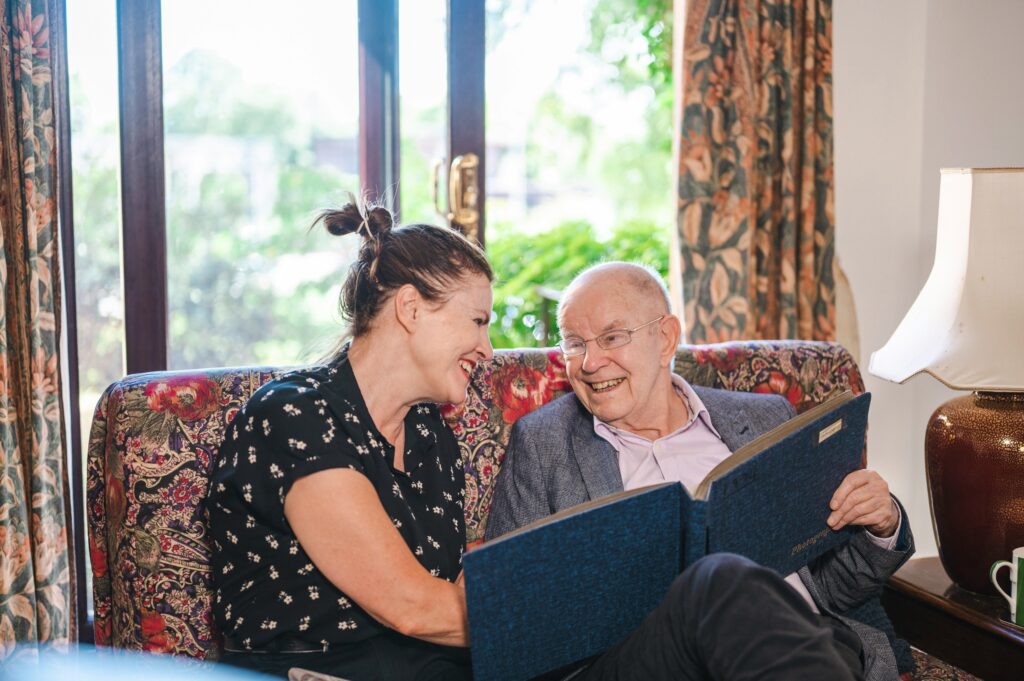
Noticed a Change? Processing the Feelings That Come with Senior Care
If you've noticed something changing with your senior loved one, this is the place to start. This article will help you sort through the feelings with no pressure or immediate answers. When you're ready, we're here to help.
5 Minute Read
The Invisible Load… and Why Most Family Caregivers Don’t Stop to See What They’re Carrying
Download our free guide "The Invisible Load" to understand and take stock of the caregiving weight you're carrying. It might help you understand what to do next.
6 Minute Read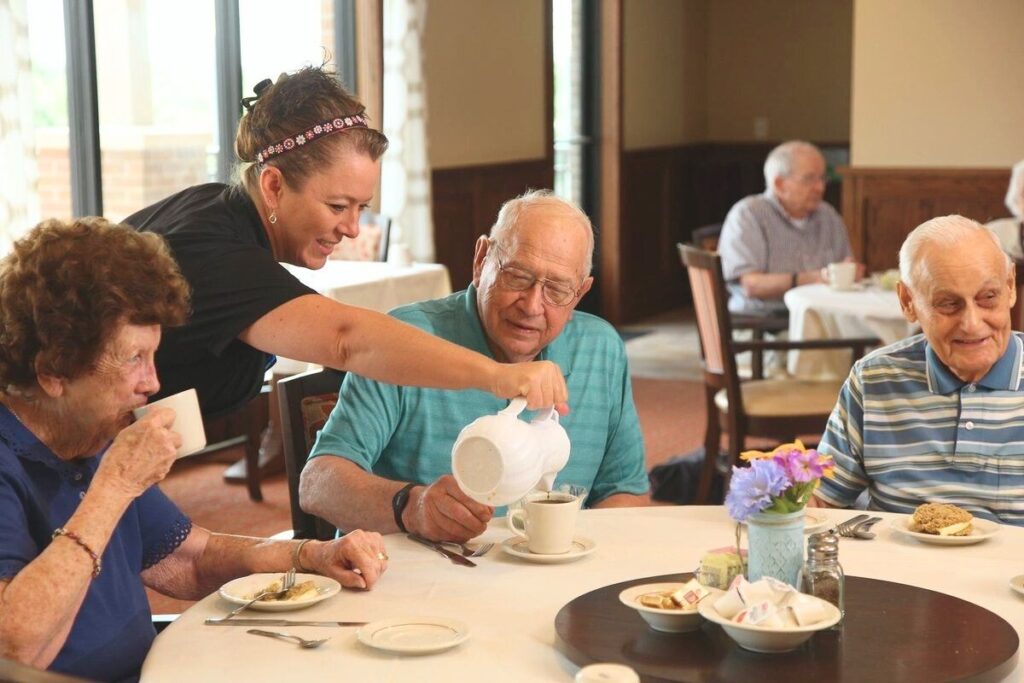
The Benefits of Community Life: Why Senior Living Can Enrich the Years Ahead
The holidays remind us how good it feels to gather… to share meals, stories, and simple moments. But for many older adults, those moments become less common over time. As friends move away, routines change, and daily tasks get harder, it’s easy for life to feel quiet and isolating. At Heritage Communities, we believe there’s...
4 Minute Read
How to Celebrate the Holidays With Someone in Senior Living
If you’re starting to consider senior living for a parent, the timing may feel complicated… especially around the holidays. You might wonder: Will the season still feel special? Will we still celebrate the way we always have? Will Mom feel left out? We understand those worries. They’re natural, and they come from love. What we...
6 Minute Read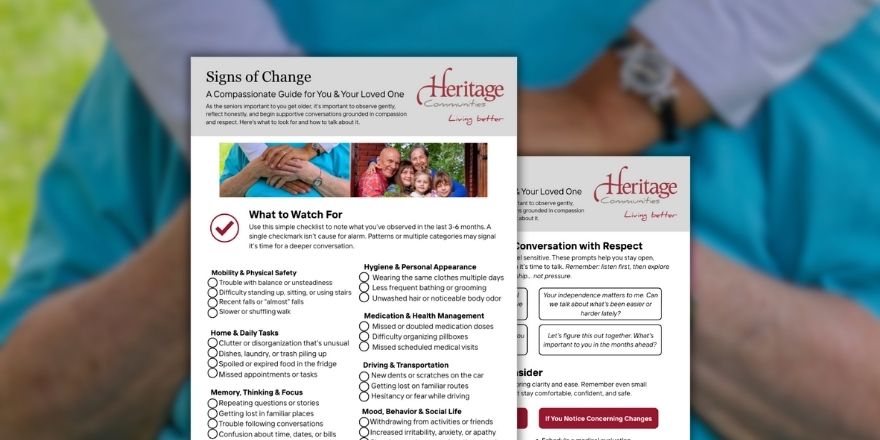
When You Suspect Something’s Changing: A Compassionate Guide for You and Your Parent
If you’re noticing small shifts in your parent’s health, memory, or daily routines, you might be wondering whether you’re overthinking things… or if something really is changing. Download the free PDF checklist to help!
5 Minute Read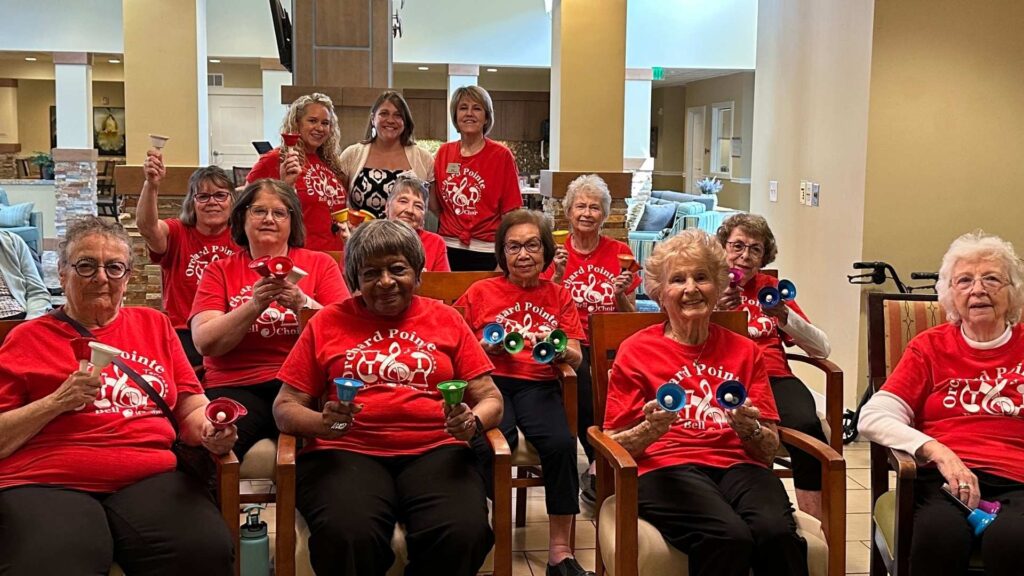
Ringing in the Season: Spotlight on Our Bell Choir at Heritage Communities
The holidays are a busy, fun time in senior living! Across our communities, families and groups are getting ready to celebrate with their families and their Heritage family. We’re glad to share a story from Orchard Pointe at Terrazza (a Heritage Community) that really shows what Living Better together looks like. It’s about the wonderful...
4 Minute Read