
Creating a Supportive Environment for Alzheimer’s Patients
Alzheimer's disease is a progressive neurological condition that leads to the shrinking of the brain and the death of brain cells. This condition has affected millions of families worldwide, making it essential to understand how to create a supportive and comfortable environment for a loved one.

Alzheimer’s disease is a progressive neurological condition that leads to the shrinking of the brain and the death of brain cells. This condition has affected millions of families worldwide, making it essential to understand how to create a supportive and comfortable environment for a loved one.
This guide is an essential resource for caregivers who wish to effectively support their patients or loved ones with Alzheimer’s. We’ll provide valuable insights on how caregivers or family members can make life more fulfilling for their patients by offering the necessary knowledge and resources to deliver better care while enhancing their quality of life.
Understanding the Challenges Faced by Alzheimer’s Patients and Their Caregivers
Alzheimer’s disease is a serious condition that affects the individuals diagnosed and can also pose significant challenges for their caregivers and family members. As the disease progresses, it can lead to increased difficulties with memory, communication, and basic daily activities such as eating, dressing, and bathing. These challenges can overwhelm the patient and their loved ones, making it crucial to approach care with patience, understanding, and a supportive attitude to help manage the symptoms and provide the best possible quality of life for those affected.
Constructing a Supportive Home Atmosphere for Alzheimer’s Patients

Home Safety Measures and Intentional Design Elements
Caring for Alzheimer’s patients requires special attention to their home environment. Various measures must be implemented to ensure their safety, such as removing trip hazards, installing grab bars in bathrooms and bedrooms, and ensuring the home is well lit.
It is also helpful to simplify and frequently declutter their living space to reduce confusion and anxiety for Alzheimer’s patients. This can be achieved by removing unnecessary items, logically organizing needed items, and labeling them clearly. By taking these steps, caregivers can create a safe and comfortable environment that promotes the well-being of Alzheimer’s patients.
Communication Strategies
When speaking with an Alzheimer’s patient or loved one, it’s essential to approach the conversation with patience, empathy, and clear communication. Use simple language and short, concise sentences. Maintain eye contact and speak face-to-face to help improve understanding and connection while having a conversation. Ask straightforward yes or no questions, and allow them plenty of time to respond.
Cognitive and Physical Activities
Participating in cognitive activities such as solving puzzles or playing memory games can effectively promote mental and physical health in your loved ones or patients. These activities can help stimulate the brain, improve memory, and increase cognitive agility. Encouraging physical activity such as taking a daily walk, practicing chair yoga, or doing light stretching can also significantly benefit overall health.
Nutrition and Diet Considerations
A healthy diet that supports brain health includes foods that help your memory, such as leafy greens, blueberries, and omega-3 fatty acids. Ensure meals are nutritious and easy to consume, as this can help maintain overall physical health and well-being. Other nutritional recommendations follow the Mediterranean diet closely.
Enjoy:
- Fish, like salmon or mackerel
- Low-fat dairy products
- Turmeric spice
- Whole grain starchy foods, like bread, rice, and pasta
- More fruits and vegetables
- More beans, peas, and lentils
- More nuts, like almonds, walnuts, and peanuts
- More seeds, like pumpkin and sunflower
Avoid:
- Avoid solid fats like butter, lard, or ghee
- Limit fatty red meats
- Limit salt intake
- Limit sugary foods to occasional treats
The Importance of a Structured Routine
Creating a predictable daily routine can significantly benefit individuals with Alzheimer’s by providing a sense of stability and security, which can help reduce confusion and stress. Regularly scheduled activities, meal times, and rest periods can help enhance the quality of care for Alzheimer’s patients. By incorporating these elements into daily life, caregivers can help improve the overall health and comfort of their loved ones or patients.

Tips for Supporting an Alzheimer’s Patient in Social Settings
When planning outings for someone with Alzheimer’s, it’s essential to understand how to talk to someone with Alzheimer’s to ensure a positive experience. One way to do this is to inform the location of the outing beforehand about the patient’s needs. Keeping the outing brief and choosing quieter, less crowded places can help enhance enjoyment and decrease potential stress for the patient and caregiver.
The Importance of Self-Care for Caregivers of Alzheimer’s Patients
Caring for a loved one can be a fulfilling journey but can also come with challenges. As a caregiver, it’s crucial to prioritize your health, seek support from relevant groups, use available online resources, and consider seeking professional advice when necessary. Eating well and staying active are also beneficial. Remember, caregivers need self-care, too.
The Role of Heritage Communities in Providing Support
Many families choose memory care communities to provide specialized attention and care for their loved ones with Alzheimer’s. Specific senior living communities offer tailored activities, therapies, and dietary plans that meet the unique needs of individuals with Alzheimer’s. When selecting a memory care community, it is crucial to consider the quality of care provided, staff qualifications, and community services.
Heritage Communities offers comprehensive senior living care, including independent living, assisted living, and memory care services. Portraits(R), our Montessori-based dementia care program, is designed to meet the unique needs of Alzheimer’s care residents, providing a positive approach focused on ensuring personal purpose and engagement. Our community teams are here to support families through this journey with their loved one. Contact us to find more information!
Recent Articles
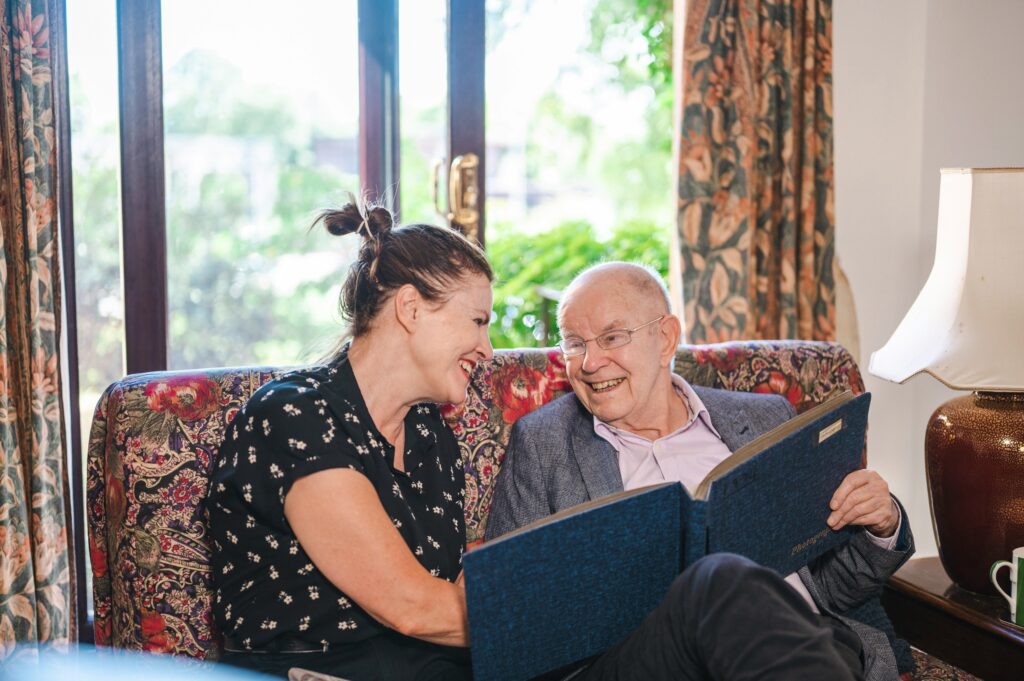
Noticed a Change? Processing the Feelings That Come with Senior Care
If you've noticed something changing with your senior loved one, this is the place to start. This article will help you sort through the feelings with no pressure or immediate answers. When you're ready, we're here to help.
5 Minute Read
The Invisible Load… and Why Most Family Caregivers Don’t Stop to See What They’re Carrying
Download our free guide "The Invisible Load" to understand and take stock of the caregiving weight you're carrying. It might help you understand what to do next.
6 Minute Read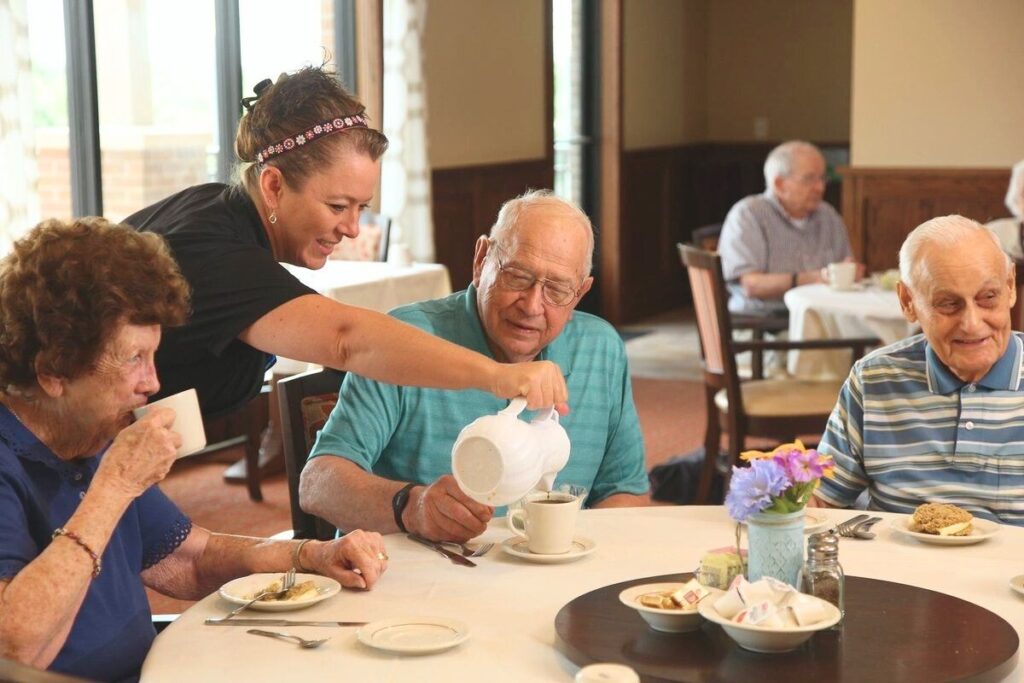
The Benefits of Community Life: Why Senior Living Can Enrich the Years Ahead
The holidays remind us how good it feels to gather… to share meals, stories, and simple moments. But for many older adults, those moments become less common over time. As friends move away, routines change, and daily tasks get harder, it’s easy for life to feel quiet and isolating. At Heritage Communities, we believe there’s...
4 Minute Read
How to Celebrate the Holidays With Someone in Senior Living
If you’re starting to consider senior living for a parent, the timing may feel complicated… especially around the holidays. You might wonder: Will the season still feel special? Will we still celebrate the way we always have? Will Mom feel left out? We understand those worries. They’re natural, and they come from love. What we...
6 Minute Read
When You Suspect Something’s Changing: A Compassionate Guide for You and Your Parent
If you’re noticing small shifts in your parent’s health, memory, or daily routines, you might be wondering whether you’re overthinking things… or if something really is changing. Download the free PDF checklist to help!
5 Minute Read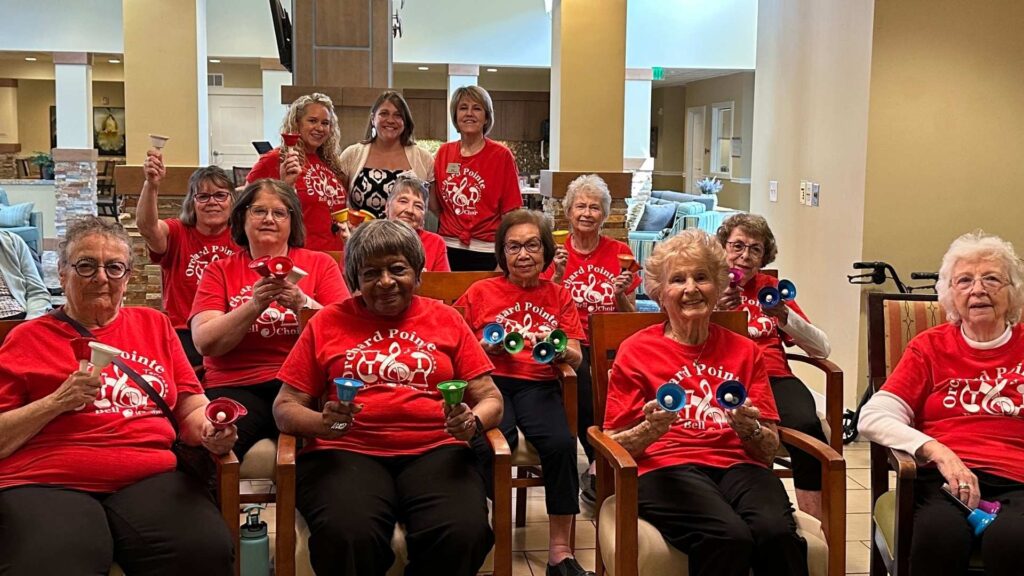
Ringing in the Season: Spotlight on Our Bell Choir at Heritage Communities
The holidays are a busy, fun time in senior living! Across our communities, families and groups are getting ready to celebrate with their families and their Heritage family. We’re glad to share a story from Orchard Pointe at Terrazza (a Heritage Community) that really shows what Living Better together looks like. It’s about the wonderful...
4 Minute Read