
Noticed a Change? Processing the Feelings That Come with Senior Care
If you've noticed something changing with your senior loved one, this is the place to start. This article will help you sort through the feelings with no pressure or immediate answers. When you're ready, we're here to help.

You’re not sure exactly when something changed… and it might not be a single moment, phone call, or habit. It’s probably more like a series of small things you noticed, told yourself were probably nothing, and then found yourself thinking about again later.
Could be the way a conversation wandered, a missed bill or meal. Something just slightly off from the person you’ve known your whole life… the person who, for most of your life, was the one handling everything.
He taught you how to tie your shoes. She sat through every recital and knew, without asking, when something was wrong. Your parent was the one who made the calls, kept things running, showed up when life got hard.
And now something is shifting.
If you haven’t said anything out loud, maybe you’ve mentioned it once to a sibling or typed something into a search bar at eleven at night and closed the tab before you got too far. Maybe you’ve just been carrying it, the way you carry a lot of things, while everything else keeps moving.
We know that’s not easy. We know the question feels enormous. Guilt, love, grief, loyalty – it all shows up at once. We know that even thinking about more support, or a different living situation, can feel like a betrayal of someone who spent their whole life showing up for you.
It isn’t. But knowing that and feeling it are two different things. Here’s a no-pressure way to think it through…
What have you been noticing?
Think about the last few weeks or months. What small things have caught your attention? The way your loved one moves through their day, manages the house, carries a conversation?.
Maybe it’s something physical – a hesitation on the stairs, old food in the fridge – or maybe it’s harder to name than that… a flatness in their voice or a story told twice in the same afternoon.
Whatever it is, it’s worth paying attention to. And the fact that you are paying attention says a lot.
What are you feeling about what you see?
Noticing something and knowing what to do with it are two different things. In the space between them, there’s usually a lot of emotion.
Worry. Guilt. Grief, sometimes, even before anything has actually been lost. Love that doesn’t know where to go. It doesn’t have to be sorted into neat categories right now. A lot of people in your position describe it as a low hum… present at the grocery store, present on the commute, present when they’re supposed to be sleeping.
What we want you to hear is this: you’re not overreacting. What you’re feeling is love doing the difficult work of paying attention.
What have you been doing with these feelings?
Talking to a sibling? Researching quietly on your own? Setting it aside and telling yourself it’s too soon?
All of that makes sense. All of it is understandable given what you’re holding.
But here’s something we’ve seen consistently in the families we work with: the longer these feelings stay unspoken, the heavier they get. Not always because the situation gets worse – just because carrying something alone is harder than carrying it with someone.
You don’t have to have it figured out before you start talking. Most people who reach out to us don’t. They just know they’ve been noticing, and they’ve hit the point where they need somewhere to put that.
What are you most afraid to say out loud?
This is the hard one.
You don’t have to answer it today. But if something is sitting just below the surface, it can help to name it, even just to yourself.
Maybe you’re afraid of making the wrong call. Maybe you’re dreading a conversation that changes something. Maybe you’ve let yourself realize the situation has moved further along than you’d admitted. Maybe you’re grieving a version of your loved one’s life, even knowing a different life might actually be better.
Whatever it is: it’s allowed to be there. It doesn’t make you a bad daughter, a bad son, a bad spouse. It makes you someone who loves a person enough to be scared.
A note from Heritage Communities
The most important part of this journey isn’t the decision. It’s everything before it.
You deserve support for the noticing, the sitting with it, the feeling, too – not just help with the logistics. It’s your turn to show up for Mom or Dad. And you are – by reading this article, by checking out support groups, by taking stock.
When you’re ready, we’re here
Not to hand you a brochure. Not to push you toward an answer before you’re ready.
Just to listen. To consider with the questions alongside you and help you think it through at whatever pace makes sense. Because taking care of someone who once took such good care of you is one of the hardest and most meaningful things a person can do. You shouldn’t have to figure it out alone.
When you’re ready to talk – about what you’ve been seeing, what you’re hoping for, or just what might come next – reach out. We’ve talked many families through this, and we’ll meet you right where you are.
Recent Articles

Noticed a Change? Processing the Feelings That Come with Senior Care
If you've noticed something changing with your senior loved one, this is the place to start. This article will help you sort through the feelings with no pressure or immediate answers. When you're ready, we're here to help.
5 Minute Read
The Invisible Load… and Why Most Family Caregivers Don’t Stop to See What They’re Carrying
Download our free guide "The Invisible Load" to understand and take stock of the caregiving weight you're carrying. It might help you understand what to do next.
6 Minute Read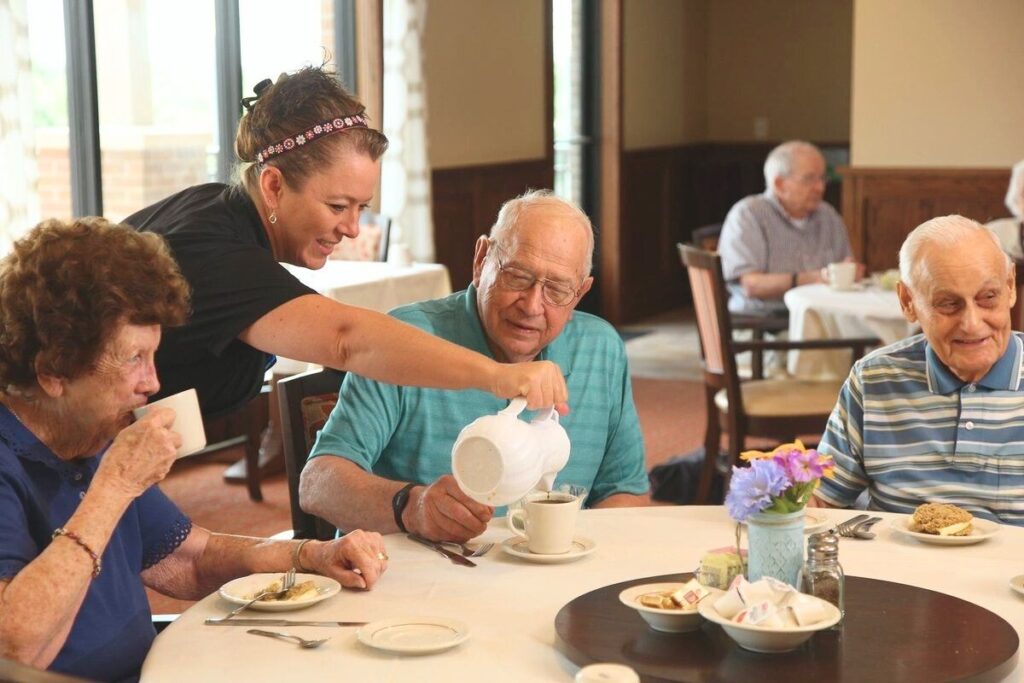
The Benefits of Community Life: Why Senior Living Can Enrich the Years Ahead
The holidays remind us how good it feels to gather… to share meals, stories, and simple moments. But for many older adults, those moments become less common over time. As friends move away, routines change, and daily tasks get harder, it’s easy for life to feel quiet and isolating. At Heritage Communities, we believe there’s...
4 Minute Read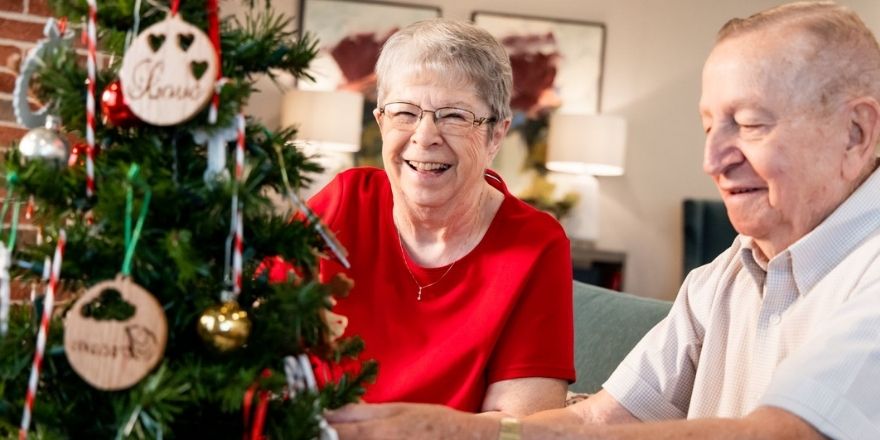
How to Celebrate the Holidays With Someone in Senior Living
If you’re starting to consider senior living for a parent, the timing may feel complicated… especially around the holidays. You might wonder: Will the season still feel special? Will we still celebrate the way we always have? Will Mom feel left out? We understand those worries. They’re natural, and they come from love. What we...
6 Minute Read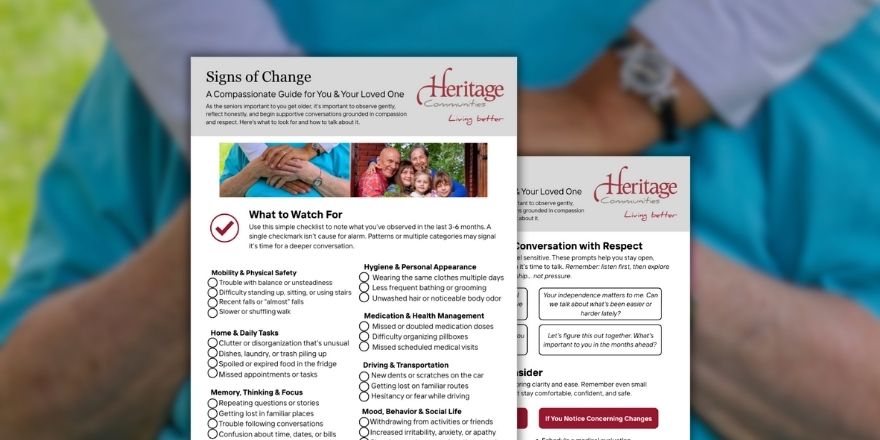
When You Suspect Something’s Changing: A Compassionate Guide for You and Your Parent
If you’re noticing small shifts in your parent’s health, memory, or daily routines, you might be wondering whether you’re overthinking things… or if something really is changing. Download the free PDF checklist to help!
5 Minute Read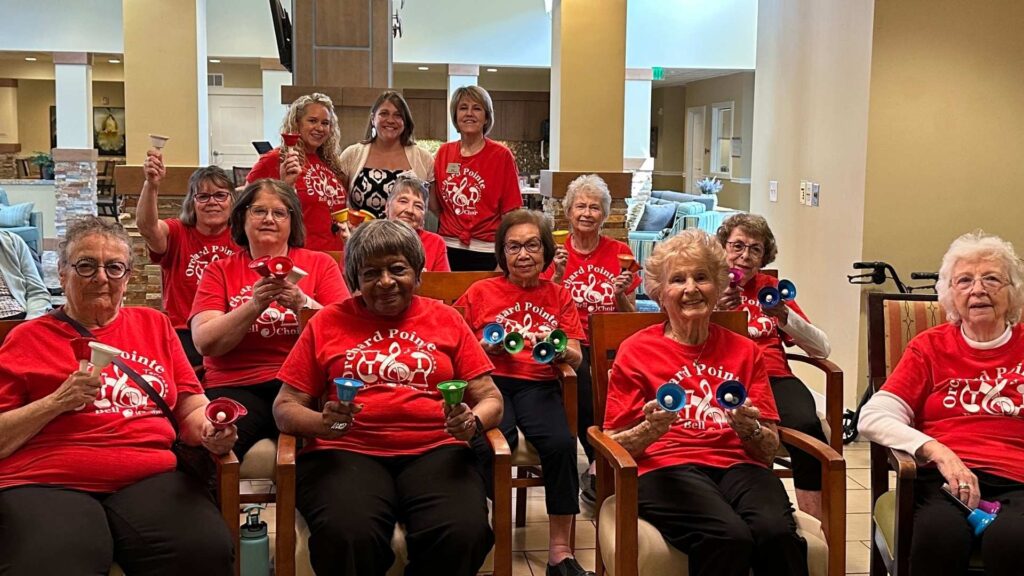
Ringing in the Season: Spotlight on Our Bell Choir at Heritage Communities
The holidays are a busy, fun time in senior living! Across our communities, families and groups are getting ready to celebrate with their families and their Heritage family. We’re glad to share a story from Orchard Pointe at Terrazza (a Heritage Community) that really shows what Living Better together looks like. It’s about the wonderful...
4 Minute Read