
The Memory Care Decision: Dealing With the Guilt
The memory care decision; few things are harder than struggling with the decision of moving a loved one into a senior living memory care program. Often times the associated guilt comes from fear of the unknown and dreading the reactions of others.

The memory care decision; few things are harder than struggling with the decision of moving a loved one into a senior living memory care program. Often times the associated guilt comes from fear of the unknown and dreading the reactions of others. Once you understand how the right supportive environment can offer your Mom or Dad the highest level of independence, you can have peace of mind you have made the right choice.
The facts about what your loved one needs
Memory loss is not a normal part of aging. Dementia is not a disease itself; it is actually a symptom of many diseases and is progressive and irreversible. Helen Crunk, Regional Healthcare Specialist of Heritage Communities, offers some valuable insight:
“Life does not stop with a diagnosis. There are ways to maximize a person’s independence and functionality while the disease progresses,” she says. “Mom might be “doing okay” at home, but she’s most likely just sitting in a chair all day, which is not helping her mentally, emotionally, cognitively or physically.”
Download our free guide, The Family Decision Toolkit.
The memory care decision: When it’s time
When you see that things are changing, do not write it off as normal aging. If you are doing more and more things for your loved one, ask yourself, “Am I doing this because I enjoy spending time with them? Or because I must do it for them now?”
Often the signs of cognitive decline are subtle; other times, more pronounced. For example:
- Missing appointments
- Confusing medications
- Fender benders
- Loss of weight
- Signs of bruising
- Poor hygiene
- Wandering/getting lost
- Confusion over dates and holidays
Helen Crunk urges that If you’re seeing changes in your loved one, take them to their physician for a checkup first. “But don’t stop there,” she says. “Your next step is to find a geriatric physician for a more in-depth examination of possible changes in cognition. Should there be a diagnosis of dementia or Alzheimer’s disease, start researching your options.”
That research should include touring a few memory care communities. “Be sure the staff understands the cognitive impairment,” says Crunk. “Find out how they educate and support their care team, what programs they have, and how they ensure the success of those programs. Then decide if a particular community is a right fit for your loved one and your family, in terms of location, expenses, and so on.”
The memory care decision: Overcoming feelings of guilt
Many times, family members struggle with issues including the following:
Fear of the unknown.
You may not be familiar with what happens in a memory care community. That’s why doing your homework is so important. Research community websites. Talk to others who have gone through the process. Most importantly, visit communities to see firsthand the atmosphere, programming, and staff interaction. You’ll see how in a memory care setting, your mom will have the resources, support, and personalized attention that can help her thrive.
Crunk says it’s important to consider where your loved one will be the most successful. “Instead of sitting at home feeling anxious or lonely, they will be interacting continuously with trained staff and other residents in activities and programs that match her needs and interests. Memory Care allows her to benefit from a sense of community and purpose.”
Stigma of “what am I doing to my parent.”
We all like to think we can take the best care of the ones we love. But sometimes, it’s important to acknowledge when a higher level of care and attention is required. Choosing memory care gives your loved one an opportunity to maintain a sense of independence and experience a measure of success, as well as benefit from 24-hour care, nutritious and tasteful dining, assistance with daily activities, and the companionship of others.
Guilt over “what will my friends say.”
Crunk says this is an important hurdle to clear. “Having a loved one with memory issues is a journey that only those who have walked it can truly understand. Don’t let your energy be depleted by negative comments from others.” She suggests seeking out a support group and relying on professionals to guide you. “In your heart,” says Crunk, “you will know what is right for your family.”
“My loved one will hate me.”
While there definitely is an adjustment for any person moving into memory care, professionals will tell you that it gets better over time. In the right setting, surrounded by a caring, highly trained staff and other residents with whom to socialize, your loved one will soon begin to engage and connect and settle in comfortably.
Memory care can allow residents to discover more joy each day
Heritage Memory Care communities are certified by and always adhere to the guidelines of the Alzheimer’s Association®. “Our Portraits® program is designed to help each resident remain as independent as possible, says Dr. Crunk. “Here, they can enjoy new and beloved activities, enjoy a meaningful place in their community, and feel a sense of self-esteem and dignity. In addition, we offer extensive support and information for our families. We welcome your interest.”
We strive to help each person experience more successful moments each day. Download our free guide, The Family Decision Toolkit. Or contact us today to learn more or schedule a tour.

Recent Articles
Noticed a Change? Processing the Feelings That Come with Senior Care
If you've noticed something changing with your senior loved one, this is the place to start. This article will help you sort through the feelings with no pressure or immediate answers. When you're ready, we're here to help.
5 Minute Read
The Invisible Load… and Why Most Family Caregivers Don’t Stop to See What They’re Carrying
Download our free guide "The Invisible Load" to understand and take stock of the caregiving weight you're carrying. It might help you understand what to do next.
6 Minute Read
The Benefits of Community Life: Why Senior Living Can Enrich the Years Ahead
The holidays remind us how good it feels to gather… to share meals, stories, and simple moments. But for many older adults, those moments become less common over time. As friends move away, routines change, and daily tasks get harder, it’s easy for life to feel quiet and isolating. At Heritage Communities, we believe there’s...
4 Minute Read
How to Celebrate the Holidays With Someone in Senior Living
If you’re starting to consider senior living for a parent, the timing may feel complicated… especially around the holidays. You might wonder: Will the season still feel special? Will we still celebrate the way we always have? Will Mom feel left out? We understand those worries. They’re natural, and they come from love. What we...
6 Minute Read
When You Suspect Something’s Changing: A Compassionate Guide for You and Your Parent
If you’re noticing small shifts in your parent’s health, memory, or daily routines, you might be wondering whether you’re overthinking things… or if something really is changing. Download the free PDF checklist to help!
5 Minute Read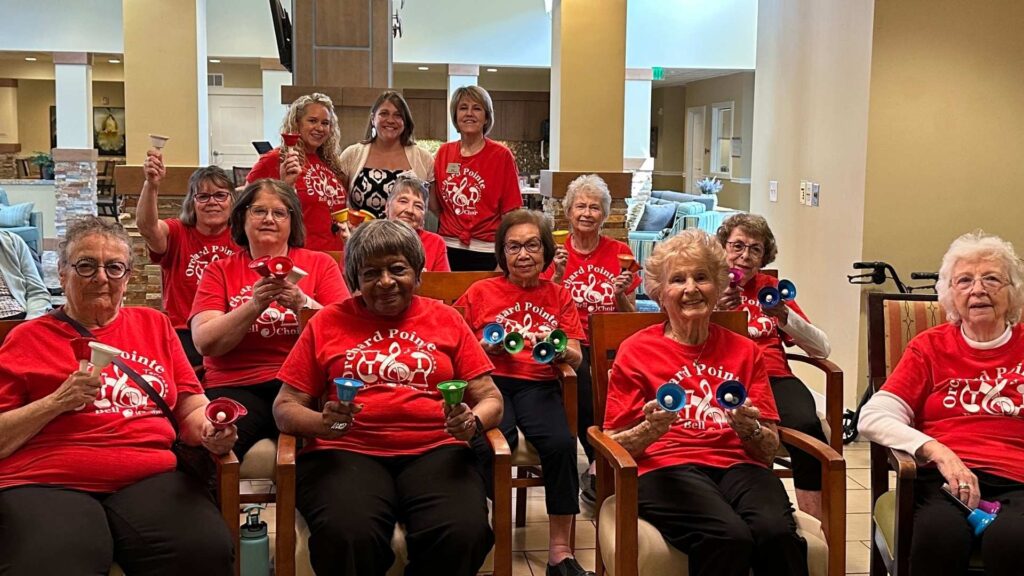
Ringing in the Season: Spotlight on Our Bell Choir at Heritage Communities
The holidays are a busy, fun time in senior living! Across our communities, families and groups are getting ready to celebrate with their families and their Heritage family. We’re glad to share a story from Orchard Pointe at Terrazza (a Heritage Community) that really shows what Living Better together looks like. It’s about the wonderful...
4 Minute Read