
The Benefits of Memory Care for Those with Dementia
When an aging loved one has Alzheimer’s disease or another type of dementia, it’s important to create a plan of care that meets their needs both now and into the future. Primary care doctors often suggest that families begin exploring in-home care options and benefits of memory care programs even before they are ready to...

When an aging loved one has Alzheimer’s disease or another type of dementia, it’s important to create a plan of care that meets their needs both now and into the future. Primary care doctors often suggest that families begin exploring in-home care options and benefits of memory care programs even before they are ready to utilize one, so they can avoid making a decision in a moment of crisis.
For many, the terminology associated with memory care is unfamiliar, as are the benefits. Here, we will explore what a memory care program is, the benefits of memory care, and how it differs from a traditional assisted living community.
What Is Memory Care?
Memory care is a type of assisted living or long-term setting designed to meet the unique needs of people who have Alzheimer’s disease or another form of dementia. While these options are often found on continuing care campuses, they can also be standalone communities dedicated to adults with cognitive impairment.
A traditional assisted living community is designed to provide support for personal care and activities of daily living. Those activities usually include:
- medication reminders
- housekeeping
- bathing assistance
- meal preparation
While a memory care program provides all the same support, it does so in a secure environment. In these memory care communities, the focus is on safety and quality of life for people with memory loss.
Benefits of Memory Care
A few of the benefits of memory care for adults with dementia include:
- Specialized caregivers: Caregivers who work with memory care residents undergo special training to learn the best way to communicate with and support adults who have a memory impairment. They learn how to spot potential problems and intervene early. The staff in a memory care program also learn how to deescalate situations and manage behaviors, such as wandering and aggression.
- Physician oversight: We work alongside each resident’s family and physician as a team approach. The team works together to create an individual support plan for each resident. The plan incorporates the resident’s current needs as well as a forecast for the weeks and months ahead.
- Dedicated dining: Mealtimes can be a challenge when a senior loved one has dementia. A loss of hand-eye coordination makes manipulating utensils tough for many. Vision changes create difficulty distinguishing food on the plate. And one of the biggest struggles can be keeping the older adult’s attention focused on eating. A noisy dining room or cluttered dining space might result in the senior leaving the table after only a few minutes. It can lead to poor nutrition and weight loss. Memory care dining programs work around these situations to create a mealtime that supports success and encourages good nutrition.
- Quality of life: Another benefit of memory care is the daily life enrichment activities and recreation therapy programs. Each day is designed to allow residents with memory loss to feel productive and successful. The daily activities calendar often includes art workshops, visits from pets, music therapy, repetitive tasks known to soothe agitation, and physical activity to help improve sleep. Many memory care programs also have a secure outdoor area for residents to safely participate in activities such as nature walks, bird watching, or gardening in raised beds.
- Family support: Alzheimer’s and other forms of dementia not only impact the senior’s life but the entire family too. That’s why memory care communities often host support group meetings for families. Some even offer one-on-one meetings with a community social worker or team leader. These programs give families an avenue for voicing their fears, sadness, and frustration.
Memory Care at Heritage Communities
If a senior in your family has been diagnosed with dementia, and you are searching for memory care in Nebraska, Iowa, Arizona, or Texas, we invite you to visit a Heritage Communities location near you. Our memory care neighborhoods are secure and comfortable. With 24-hour programming, it’s an environment that allows residents to live their best quality of life. Call today to schedule your personal tour!
Recent Articles
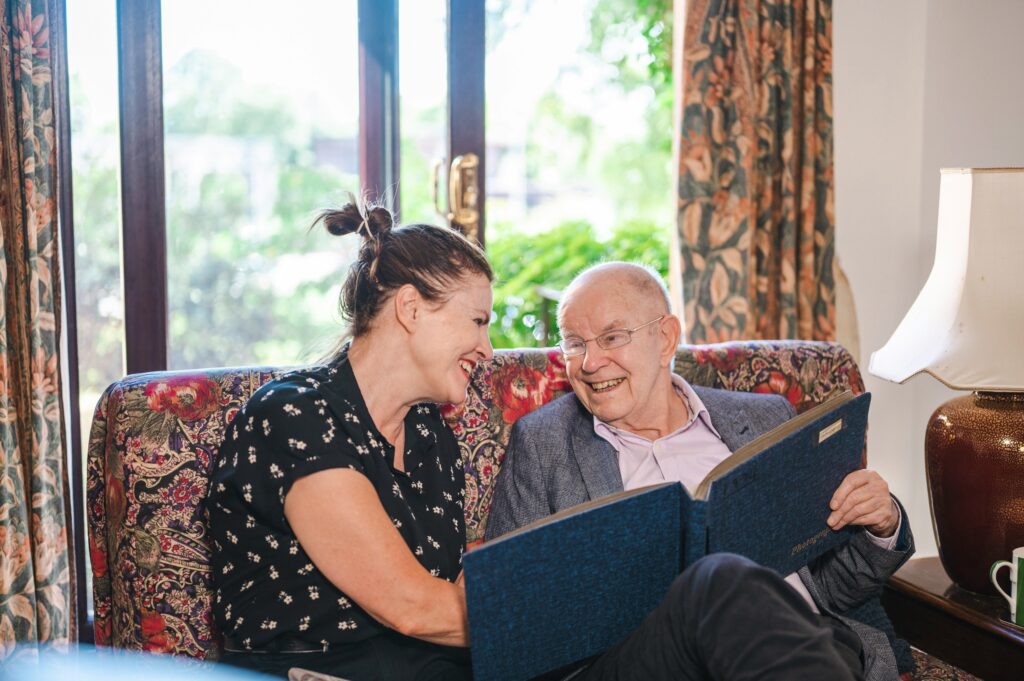
Noticed a Change? Processing the Feelings That Come with Senior Care
If you've noticed something changing with your senior loved one, this is the place to start. This article will help you sort through the feelings with no pressure or immediate answers. When you're ready, we're here to help.
5 Minute Read
The Invisible Load… and Why Most Family Caregivers Don’t Stop to See What They’re Carrying
Download our free guide "The Invisible Load" to understand and take stock of the caregiving weight you're carrying. It might help you understand what to do next.
6 Minute Read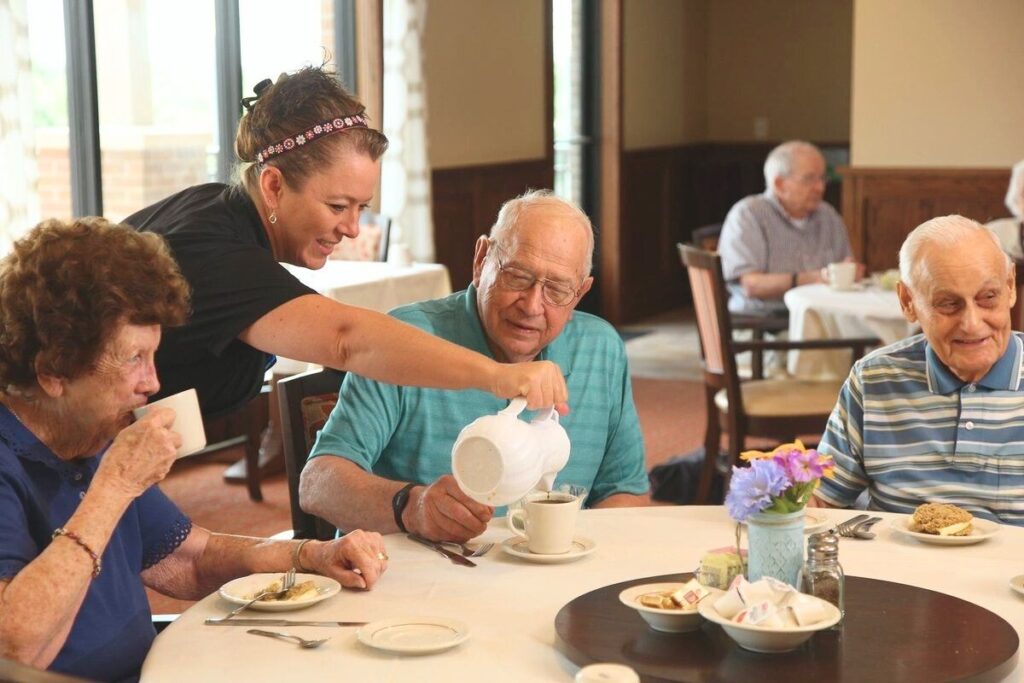
The Benefits of Community Life: Why Senior Living Can Enrich the Years Ahead
The holidays remind us how good it feels to gather… to share meals, stories, and simple moments. But for many older adults, those moments become less common over time. As friends move away, routines change, and daily tasks get harder, it’s easy for life to feel quiet and isolating. At Heritage Communities, we believe there’s...
4 Minute Read
How to Celebrate the Holidays With Someone in Senior Living
If you’re starting to consider senior living for a parent, the timing may feel complicated… especially around the holidays. You might wonder: Will the season still feel special? Will we still celebrate the way we always have? Will Mom feel left out? We understand those worries. They’re natural, and they come from love. What we...
6 Minute Read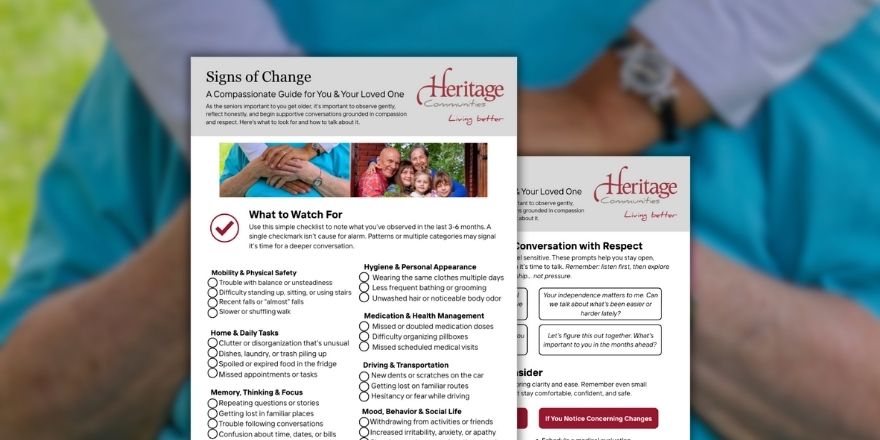
When You Suspect Something’s Changing: A Compassionate Guide for You and Your Parent
If you’re noticing small shifts in your parent’s health, memory, or daily routines, you might be wondering whether you’re overthinking things… or if something really is changing. Download the free PDF checklist to help!
5 Minute Read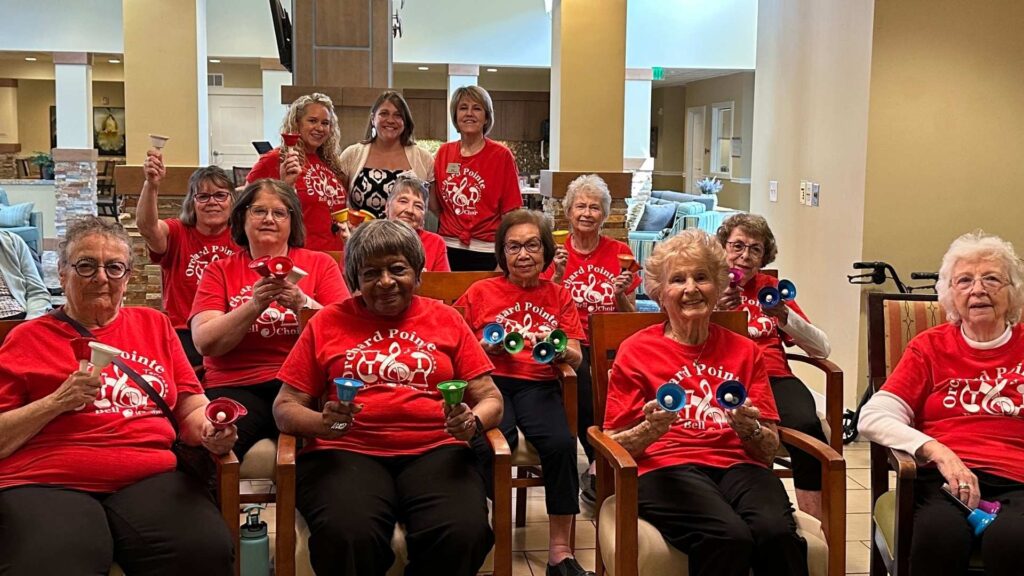
Ringing in the Season: Spotlight on Our Bell Choir at Heritage Communities
The holidays are a busy, fun time in senior living! Across our communities, families and groups are getting ready to celebrate with their families and their Heritage family. We’re glad to share a story from Orchard Pointe at Terrazza (a Heritage Community) that really shows what Living Better together looks like. It’s about the wonderful...
4 Minute Read